Police Station Jurisdiction Guide in India: What It Means, How to Find It & Why It Matters
A police station’s jurisdiction refers to the specific geographical area where it has the legal authority to maintain law and order, investigate offences, register cases, and provide police services. Knowing which police station has jurisdiction over your locality can help you report incidents more efficiently and access the right police services.
However, many people are unsure about which police station covers their area or what happens if they approach the “wrong” police station. This guide explains police station jurisdiction in India, how it works, how to find the correct police station, and what you should know before filing a complaint.
Quick Information
| Information | Details |
| Applies To | All Police Stations in India |
| Based On | Geographical Area |
| Decided By | State Police Departments |
| Purpose | Law Enforcement & Investigation |
| Emergency Number | 112 |
| Zero FIR | Available for Cognizable Offences |
| Online Jurisdiction Search | Available in Many States |
What Is Police Station Jurisdiction?
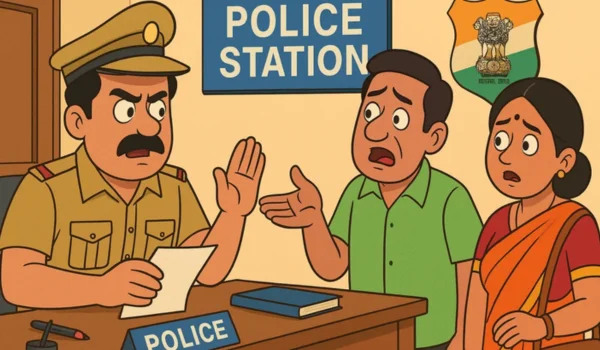
Police station jurisdiction is the defined geographical area assigned to a particular police station. Within this area, the police station is responsible for:
- Maintaining law and order
- Preventing crime
- Registering complaints
- Investigating offences
- Conducting patrols
- Responding to emergencies
- Providing police verification services
Each police station has clearly marked jurisdictional boundaries set by the respective State Police Department.
Why Is Jurisdiction Important?
Jurisdiction helps ensure that every locality is covered by a designated police station, allowing law enforcement agencies to respond quickly and investigate incidents efficiently.
Knowing your jurisdiction is useful for:
- Filing criminal complaints
- Reporting accidents
- Passport verification
- Tenant verification
- Employee verification
- Missing person reports
- Lost document reports
- Seeking emergency police assistance
How Is Police Jurisdiction Decided?
State Police Departments determine police station boundaries based on several factors, including:
- Population
- Administrative boundaries
- Villages or municipal wards
- Urban development
- Crime patterns
- Ease of police administration
- Distance between police stations
As cities expand, jurisdictions may be revised and new police stations may be created.
How to Find Which Police Station Covers Your Area
There are several ways to identify the correct police station for your locality.
- Visit the State Police Website
Most State Police Departments provide district-wise police station directories and, in many cases, jurisdiction information.
- Use a Police Station Locator
Many police departments offer online tools where you can search by:
- Locality
- PIN Code
- Address
- District
- Contact the Emergency Helpline
If you are unsure which police station has jurisdiction, you can call 112 for guidance during emergencies.
- Ask at the Nearest Police Station
Even if you visit a police station outside the relevant jurisdiction, the officers can usually guide you to the appropriate police station.
What Happens If You Visit the Wrong Police Station?
Many people worry that their complaint will not be accepted if they visit the wrong police station.
In practice:
- Police personnel can guide you to the appropriate police station.
- In certain situations involving cognizable offences, a Zero FIR may be registered and later transferred to the police station having the proper jurisdiction.
- Procedures may vary depending on the nature of the complaint and applicable laws.
What Is a Zero FIR?
A Zero FIR is an FIR that may be registered at any police station for a cognizable offence, regardless of where the incident occurred.
After registration, the case is transferred to the police station that has territorial jurisdiction for further investigation.
This helps ensure that urgent complaints are not delayed simply because of jurisdictional issues.
Examples of Police Jurisdiction
Example 1
If an incident occurs in Area A, the police station responsible for Area A generally investigates the case.
Example 2
If a person from another city experiences a cognizable offence while traveling, they may approach the nearest police station, where a Zero FIR may be registered if applicable.
Services That Depend on Jurisdiction
Many police services are linked to the police station responsible for your area.
These include:
| Service | Jurisdiction Required |
| FIR Investigation | Yes |
| Passport Verification | Yes |
| Tenant Verification | Yes |
| Employee Verification | Yes |
| Character Verification | Usually Yes |
| Police Clearance Certificate | Usually Yes |
| Local Enquiries | Yes |
Situations Where Jurisdiction Matters
Jurisdiction is important in cases involving:
- Theft
- Burglary
- Assault
- Property disputes
- Road accidents
- Missing persons
- Passport verification
- Tenant verification
- Criminal investigations
Can Police Jurisdiction Change?
Yes.
Police jurisdiction may change due to:
- Creation of new police stations
- Expansion of city limits
- Administrative restructuring
- Population growth
- Changes in district or municipal boundaries
Residents should refer to the latest information provided by the relevant State Police Department.
Difference Between Police Station, Police Outpost, and Jurisdiction
| Feature | Police Station | Police Outpost (Chowki) | Jurisdiction |
| Meaning | Main law enforcement office | Smaller police unit under a police station | Geographical area served by a police station |
| FIR Registration | Yes | Usually handled through the parent police station, depending on local procedures | Not applicable |
| Investigation | Yes | Limited support role | Not applicable |
| Administrative Control | Independent police station | Functions under a police station | Defines area of responsibility |
Tips Before Filing a Complaint
- Note the exact location of the incident.
- Keep important documents and evidence ready.
- Provide accurate information.
- Ask for the complaint reference number or acknowledgment where applicable.
- If unsure about jurisdiction, seek guidance from the nearest police station or call 112.
Frequently Asked Questions
What does police station jurisdiction mean?
It refers to the geographical area for which a police station is responsible for maintaining law and order and investigating offences.
Can I file a complaint at any police station?
For many cognizable offences, you may approach any police station. Where applicable, a Zero FIR may be registered and later transferred to the police station with the appropriate jurisdiction.
How do I know which police station covers my locality?
You can check your state’s official police website, use an available police station locator, or contact the emergency helpline for guidance.
Can police jurisdiction change?
Yes. Jurisdiction boundaries may change when new police stations are created or administrative boundaries are revised.
Is jurisdiction important for passport verification?
Yes. Passport verification is generally carried out by the police station responsible for your residential area.
Conclusion
Understanding police station jurisdiction helps citizens report incidents more effectively and access police services without unnecessary confusion. Every police station in India is assigned a specific geographical area to ensure efficient law enforcement, timely investigations, and better public service.
If you are ever unsure about which police station covers your locality, use your state’s official police resources, contact the emergency helpline, or visit the nearest police station for assistance. Knowing your jurisdiction can make the complaint process smoother and help you receive the appropriate support more quickly.