Why Does Homemade Bread Become Hard? Causes and Prevention Tips
Homemade bread can be soft, fresh and delicious when it first comes out of the oven, but sometimes it becomes hard, dry or chewy after a short time. This is a common problem, especially with homemade bread that does not contain commercial dough conditioners or preservatives.
Bread becoming hard can happen because of overbaking, insufficient moisture, incorrect flour proportions, poor storage or the natural staling process. Understanding the cause makes it much easier to keep homemade bread soft for longer.
Why Does Homemade Bread Become Hard?
1.Thōe Bread Was Overbaked
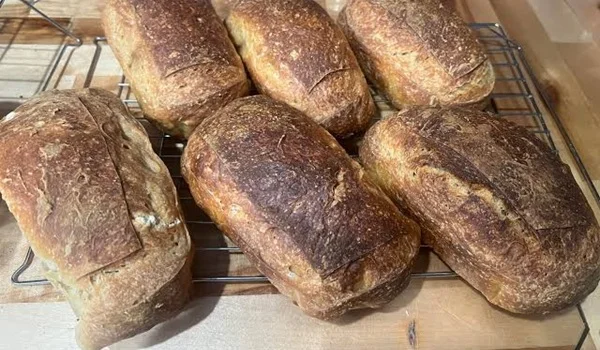
One of the most common causes of hard homemade bread is baking it for too long.
As bread bakes, water gradually evaporates from the dough. If the bread stays in the oven beyond the required time, too much moisture can be lost. The result may be a hard crust and a dry interior.
Oven temperatures can also vary considerably. A recipe may suggest a particular baking time, but your oven may cook faster or slower.
What to do: Follow the recipe’s baking temperature and start checking the bread toward the lower end of the recommended baking time.
2.Too Much Flour Was Added
Adding too much flour can make bread dense, dry and hard.
This often happens when flour is measured by repeatedly scooping it directly from the bag. More flour can become packed into the measuring cup than intended.
A dough that is excessively dry usually produces a less tender loaf.
What to do: Measure flour carefully. If possible, weighing it with a kitchen scale provides greater consistency. When making dough by hand, avoid adding large amounts of extra flour simply because the dough feels slightly sticky.
3. Not Enough Water or Liquid
Bread dough needs sufficient hydration to produce a soft crumb.
If the dough contains too little water, the finished bread can become dry and firm. The required amount varies depending on the flour, recipe and type of bread.
Whole-wheat flour, for example, absorbs water differently from refined flour.
What to do: Follow the recipe’s liquid quantity and avoid unnecessarily reducing it. If the dough appears unusually dry, check whether the flour was measured correctly before adding additional flour.
4. The Dough Was Not Kneaded Properly
Kneading helps develop gluten, which gives yeast bread its structure and elasticity.
Under-kneaded dough may produce bread that is dense rather than light and soft. However, excessive kneading can also affect certain doughs, particularly if the dough becomes overheated.
For most yeast breads, the dough should become smoother and more elastic as it is kneaded.
What to do: Knead according to the recipe and look for the appropriate dough consistency rather than relying only on a fixed number of minutes.
5. The Dough Was Under-Proofed
Yeast needs time to ferment the dough and produce gas. If bread is baked before the dough has properly risen, the loaf may be dense and firm.
Under-proofing can happen when:
- The room is cold
- The yeast is weak or inactive
- Not enough rising time is given
- Too much flour is incorporated
- The dough is not kept in a suitable environment
What to do: Pay attention to the dough’s appearance and volume rather than following the clock alone. Proofing times vary with temperature and the recipe.
6. The Yeast Was Not Working Properly
Inactive or expired yeast can prevent the dough from rising adequately.
If the dough barely rises, the finished bread may be dense and hard.
Very hot liquid can also damage yeast, while very cold conditions can slow its activity considerably.
What to do: Check the freshness of the yeast and follow the recipe’s instructions regarding liquid temperature. If using active dry yeast, follow the activation instructions provided for that particular product.
7. The Bread Was Not Stored Properly
Even a perfectly baked loaf can become hard if it is stored incorrectly.
Leaving bread uncovered allows moisture to escape. Refrigeration can also accelerate certain aspects of bread staling, making bread feel firm or dry.
What to do: Once the bread has cooled properly, store it in an airtight container, bread bag or suitable sealed wrapping. Keep it at room temperature when appropriate for the type of bread.
8. Bread Naturally Stales Over Time
Hardening is not always a baking mistake.
As bread ages, its starch structure changes through a process known as staling. The crumb gradually becomes firmer, and the bread may lose some of its original softness even when it has not become dangerously spoiled.
This is one reason freshly baked bread generally has a softer texture than bread several days old.
How to Keep Homemade Bread Soft
Use the Correct Flour-to-Liquid Ratio
Accurate measurements are important. Too much flour or too little liquid can produce a dry loaf.
Avoid Overbaking
Bake the bread only as long as necessary. A loaf that is excessively dark or has a very thick crust may have lost too much moisture.
Allow Proper Proofing
Give yeast dough sufficient time to rise. Temperature has a major effect on proofing speed, so use the dough’s appearance as an important guide.
Add Fat When Appropriate
Recipes containing ingredients such as butter, oil, milk or eggs can produce a softer crumb than lean bread recipes. These ingredients should be used according to the recipe rather than added randomly.
Cool Before Storing
Allow the bread to cool adequately before sealing it. Storing very hot bread in a tightly closed container can trap steam and affect the crust and texture.
Store It Properly
Once cooled, keep homemade bread in an airtight or well-sealed container or bag to reduce moisture loss.
For bread that will not be eaten within a few days, freezing is often a better option than keeping it at room temperature for an extended period.
How to Soften Hard Homemade Bread
If your bread has already become slightly hard, you may still be able to improve its texture.
One simple option is to warm individual slices before eating. A toaster, oven or microwave can temporarily soften the bread, although the effect may not last.
Slightly stale bread can also be used creatively in:
- French toast
- Bread pudding
- Croutons
- Breadcrumbs
- Toast
- Stuffing
If the bread shows mould or has an unusual smell, do not try to revive it. It should be discarded.
Why Is Homemade Bread Harder Than Bakery Bread?
Commercial bakeries may use different flour formulations, dough-handling techniques, fats, enzymes or other permitted ingredients that help maintain softness and shelf life.
Homemade bread is often made with a simpler ingredient list and without commercial conditioners. As a result, it may naturally stale faster.
This does not mean homemade bread is inferior; it simply means that freshness and storage have a greater effect on its texture.
Common Mistakes to Avoid
To make softer homemade bread, avoid these common mistakes:
- Adding excessive flour while kneading
- Measuring flour inaccurately
- Using inactive yeast
- Cutting proofing time too short
- Baking longer than necessary
- Leaving baked bread uncovered
- Storing bread improperly
- Keeping bread for too long instead of freezing it
Final Thoughts
Homemade bread can become hard because of overbaking, excess flour, insufficient liquid, poor proofing, inactive yeast or improper storage. Some firmness is also a natural result of bread staling over time.
For softer bread, focus on accurate measurements, proper hydration, effective kneading and proofing, and avoiding excessive baking. Once cooled, store the loaf properly and freeze any portion that you will not eat soon.
With a few adjustments to the recipe and storage method, homemade bread can stay noticeably softer and more enjoyable for longer.