How to Store Coriander Leaves So They Stay Fresh for Weeks
Coriander leaves, also called cilantro or dhania, are used in chutneys, curries, dals, rice dishes, snacks and many Indian recipes. The problem is that fresh coriander can wilt, turn yellow or develop slimy stems within just a few days if it is stored incorrectly.
The good news is that with the right combination of cleaning, drying, moisture control and refrigeration, coriander can stay fresh considerably longer. For storage lasting several weeks, the goal is to prevent both excessive moisture and dehydration.
Why Does Coriander Spoil Quickly?
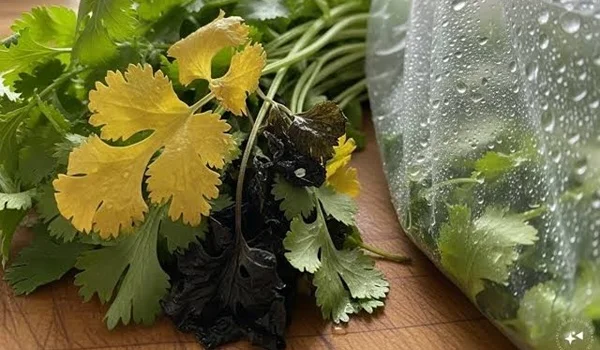
Fresh coriander contains a lot of water and has delicate leaves. After harvesting, it continues to lose moisture through its leaves. At the same time, excess water trapped around the leaves and stems can encourage decay.
Common reasons coriander becomes spoiled include:
- Storing it while it is still wet
- Keeping it in a tightly sealed wet container
- Excess moisture collecting at the bottom
- Leaving damaged or yellow leaves mixed with fresh ones
- Frequent opening of the storage container
- Storing it without adequate refrigeration
The best storage method balances humidity without allowing water droplets to remain directly on the leaves.
Method 1: Paper Towel and Airtight Container
One of the most practical methods for refrigerator storage is to use a container lined with paper towels.
Step-by-step method
- Remove yellow, damaged or rotten leaves.
- Trim off excessively long or damaged stems.
- If the coriander is dirty, wash it gently.
- Dry it thoroughly.
- Line a clean container with a dry paper towel.
- Place the coriander inside without tightly compressing it.
- Cover the coriander with another dry paper towel.
- Close the container and refrigerate it.
- Check the paper towel every few days and replace it if it becomes damp.
The paper towel helps absorb excess moisture that would otherwise collect around the leaves.
Method 2: Wrap Coriander in Paper Towels
Another simple option is to loosely wrap the coriander in dry paper towels before placing it inside a refrigerator-safe bag or container.
Avoid wrapping it extremely tightly. The leaves should not be crushed.
If the paper towel becomes noticeably damp, replace it with a fresh, dry one.
Should You Wash Coriander Before Storing It?
There are two practical approaches.
If the coriander is relatively clean, you can remove dirt and damaged portions and store it dry, washing it immediately before use.
If you prefer to wash it before storage, drying it thoroughly is extremely important. Surface water left between the leaves can accelerate spoilage.
A salad spinner can help remove excess water, followed by air-drying on a clean towel.
The key point is not simply whether you wash coriander before storage, but whether you remove excess moisture before refrigerating it.
Method 3: Store the Stems in Water
For short-to-medium-term storage, coriander can also be treated somewhat like fresh flowers.
How to do it
- Trim the bottom of the stems.
- Place the stems in a clean glass or jar containing a small amount of water.
- Keep the leaves above the water.
- Loosely cover the coriander with a clean plastic bag.
- Refrigerate it.
- Change the water regularly if it becomes cloudy.
Do not submerge the leaves in water. Constantly wet leaves can become slimy.
This method can work well, but the paper-towel method may be more convenient if refrigerator space is limited.
Can Coriander Stay Fresh for Several Weeks?
With proper refrigeration and moisture control, coriander can remain usable for considerably longer than it would on the kitchen counter. However, fresh coriander is highly perishable, and no storage method can guarantee that it will remain fresh for a particular number of weeks.
For longer storage, freezing is a better option.
Method 4: Freeze Coriander for Long-Term Storage
If you have purchased a large quantity of coriander and know you will not use it soon, freezing can reduce waste.
Basic freezing method
- Remove damaged leaves and thick unwanted stems.
- Wash the coriander if necessary.
- Dry it very thoroughly.
- Chop it if you normally use chopped coriander.
- Place it in a freezer-safe bag or container.
- Remove as much excess air as practical.
- Freeze it.
Frozen coriander may lose some of the crisp texture of fresh leaves after thawing. Therefore, it is usually better for cooked dishes, curries, dals, soups, chutneys and sauces rather than as a fresh garnish.
You can also freeze chopped coriander in small portions so that you only take out what you need.
Avoid These Common Storage Mistakes
Do Not Store Wet Coriander in a Sealed Box
If water droplets are trapped inside the container, the leaves can deteriorate quickly.
Do Not Crush the Leaves
Overpacking coriander can damage the delicate leaves and accelerate spoilage.
Do Not Leave Spoiled Leaves Inside
One rotten or slimy portion can affect the surrounding coriander. Remove damaged leaves promptly.
Do Not Keep It at Room Temperature for Too Long
Refrigeration is generally preferable for maintaining fresh coriander.
Do Not Let the Leaves Sit in Water
If using the jar method, keep only the stems in water and keep the leaves dry.
How to Tell If Coriander Has Gone Bad
Before using stored coriander, inspect it carefully.
Fresh coriander should have a reasonably fresh smell and firm, green leaves.
Discard coriander if you notice:
- Extensive sliminess
- Fuzzy mould
- A strong rotten or unpleasant smell
- Widespread black or brown decay
- Leaves that have substantially decomposed
A few wilted or yellow leaves do not necessarily mean the entire bunch is spoiled. Remove the damaged portions and inspect the remaining coriander carefully.
Best Method for Indian Kitchens
For everyday use, a simple routine works well:
Clean the coriander → remove damaged leaves → dry it thoroughly → wrap or layer it with dry paper towels → place it in a refrigerator-safe container → replace damp towels when necessary.
For coriander that you need to keep for a much longer period, freezing is more practical than trying to keep it fresh indefinitely in the refrigerator.
Final Thoughts
The secret to keeping coriander fresh is moisture control. Too little moisture causes wilting, while excess moisture encourages sliminess and decay. Keeping coriander cool, dry on the surface and protected from excessive air exposure can significantly extend its usable life.
For refrigerator storage, paper towels and a suitable container are convenient options. If you need long-term storage, chop thoroughly dried coriander and freeze it in small portions. With these simple methods, you can reduce food waste and keep dhania ready for everyday cooking.