How to Prevent Potatoes From Turning Black After Cutting
Cut potatoes can sometimes develop a dark, grey, brown or black colour after they are peeled and cut. This is usually caused by enzymatic browning, a natural reaction that occurs when the cut surface of the potato comes into contact with oxygen in the air. Although the colour change can make potatoes look unappetising, it does not necessarily mean they have spoiled.
Fortunately, there are several simple ways to keep cut potatoes looking fresh until you are ready to cook them.
Why Do Potatoes Turn Black After Cutting?
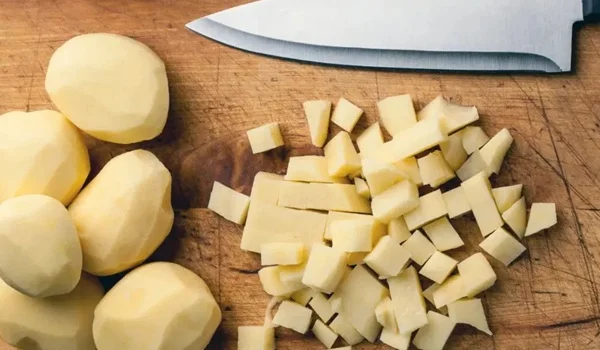
Potatoes contain natural enzymes and compounds that react with oxygen when the potato cells are damaged by peeling or cutting. This reaction gradually changes the colour of the exposed surface.
The process can happen more quickly when:
- Potatoes are left exposed to air
- They are cut well before cooking
- The potatoes are stored at an unsuitable temperature
- The variety of potato is particularly prone to browning
- The cut pieces are not placed in water
The darkening is generally different from mould or bacterial spoilage. However, potatoes that develop a bad smell, excessive softness, sliminess or visible mould should be discarded.
1. Soak Cut Potatoes in Cold Water
One of the easiest methods is to place freshly cut potatoes in a bowl of cold water.
The water limits the potato’s exposure to oxygen and helps slow down browning.
How to do it
- Peel and cut the potatoes.
- Immediately place the pieces in a bowl.
- Cover them completely with cold water.
- Keep them submerged until you are ready to cook them.
- Drain and rinse them before cooking if required by your recipe.
For longer storage before cooking, keep the bowl covered and refrigerated.
2. Add a Little Lemon Juice
Lemon juice can help slow enzymatic browning because its acidity interferes with the reactions responsible for colour changes.
Add a small amount of lemon juice to the soaking water. You do not need a large quantity.
This method can be useful when preparing potatoes in advance, although excessive lemon juice may slightly affect the flavour.
3. Use a Small Amount of Vinegar
Vinegar is another acidic ingredient that can help reduce browning.
You can add a small amount of vinegar to the water in which the cut potatoes are being stored. This is particularly useful when the potatoes will eventually be boiled or used in recipes where a slight change in flavour is not an issue.
Avoid adding too much, as strong acidity can affect the taste and texture.
4. Keep Potatoes Completely Submerged
Simply putting potatoes in a bowl containing a little water may not be enough. The cut pieces should remain fully covered with water.
Any pieces sticking out of the water remain exposed to air and can start turning brown.
If necessary, place a clean plate or other suitable food-safe weight over the potatoes to keep them submerged.
5. Refrigerate If Preparing in Advance
If you cut potatoes several hours before cooking, refrigeration can help maintain their quality.
Place the cut potatoes in cold water, cover the container and keep it in the refrigerator.
Avoid leaving cut potatoes in water at room temperature for long periods, particularly in warm weather.
6. Cut Potatoes Just Before Cooking
The simplest solution is to reduce the amount of time between cutting and cooking.
If your recipe allows it, peel and cut potatoes shortly before they go into the pan, pot or oven. This minimises their exposure to oxygen and reduces the chance of noticeable browning.
For everyday cooking, this can be easier than using additional ingredients.
7. Rinse Potatoes After Cutting
Rinsing cut potatoes under cold running water can remove some surface starch. This is especially useful for dishes such as fries or roasted potatoes.
However, rinsing alone does not completely prevent browning. If you need to store the potatoes before cooking, keeping them submerged in cold water is generally more effective.
8. Choose Fresh, Good-Quality Potatoes
The condition of the potato can also affect how quickly it changes colour.
Choose potatoes that are:
- Firm
- Free from mould
- Free from major soft spots
- Free from an unpleasant smell
- Not excessively sprouted
Fresh potatoes generally hold their quality better after cutting.
Does Blackening Mean the Potato Is Bad?
Not necessarily.
If a freshly cut potato becomes slightly grey, brown or dark after being exposed to air, this is usually an oxidation-related colour change rather than proof that the potato is spoiled.
However, pay attention to other signs.
A potato should be discarded if it has:
- A strong unpleasant or rotten smell
- A slimy texture
- Extensive mould
- Significant decay
- Very soft or decomposed areas
A simple colour change should not be confused with these signs of spoilage.
How Long Can Cut Potatoes Stay in Water?
If you are preparing potatoes ahead of time, keeping them submerged in cold water in the refrigerator is preferable to leaving them exposed to air.
For best quality, use them as soon as practical rather than storing cut potatoes for unnecessarily long periods. Before cooking, drain them well, particularly if you are frying, roasting or air-frying them.
Best Method for Everyday Cooking
For most home kitchens, the easiest method is:
Cut the potatoes → place them immediately in cold water → keep them completely submerged → refrigerate if preparing ahead → drain and cook when ready.
If you want additional protection against browning, a small amount of lemon juice can be added to the water.
Final Thoughts
Potatoes turning black or grey after cutting is usually caused by exposure to oxygen and enzymatic browning. It can be reduced by limiting air exposure and keeping the cut potatoes submerged in cold water.
For the best results, cut potatoes shortly before cooking. When preparing them in advance, store them completely covered in cold water in the refrigerator. Lemon juice or a small amount of vinegar can also be used when appropriate. Most importantly, distinguish ordinary browning from actual spoilage by checking the potato’s smell, texture and overall condition.