Police Station vs Police Outpost vs Police Chowki: Key Differences Explained
Many people use the terms Police Station, Police Outpost, and Police Chowki interchangeably, but they are not the same. While all three are part of the police administration, they differ in terms of authority, responsibilities, jurisdiction, staffing, and the services they provide.
Understanding these differences can help you know where to go for reporting an incident, seeking assistance, or obtaining police services.
Quick Comparison
| Feature | Police Station | Police Outpost | Police Chowki |
| Main Purpose | Complete law enforcement unit | Extension of a police station | Small local police post |
| Independent Office | Yes | No | No |
| Headed By | Station House Officer (SHO) | Officer-in-Charge / Sub-Inspector or equivalent | In-charge Officer / Head Constable or equivalent (varies) |
| Has Jurisdiction | Yes | Limited, under parent police station | Limited, under parent police station |
| FIR Registration | Yes | May vary by state; often routed through the parent police station | Usually handled through the parent police station |
| Criminal Investigation | Yes | Limited | Limited |
| Public Services | Full Range | Basic Services | Basic Assistance |
| Administrative Control | Independent | Parent Police Station | Parent Police Station |
What Is a Police Station?
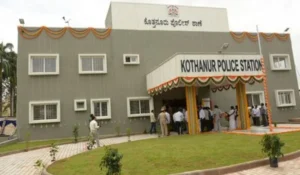
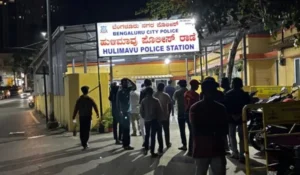
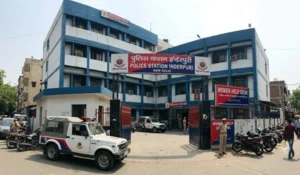
A Police Station is the primary law enforcement office responsible for maintaining law and order within a defined geographical jurisdiction.
It is an independent police unit with the authority to:
- Register FIRs.
- Investigate criminal cases.
- Maintain law and order.
- Conduct arrests where legally permitted.
- Respond to emergencies.
- Provide verification services.
- Coordinate with courts and other agencies.
Every police station is assigned a specific jurisdiction and is usually headed by a Station House Officer (SHO) or an officer of equivalent rank.
What Is a Police Outpost?
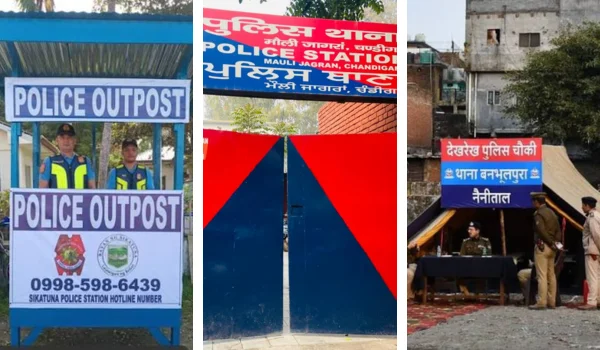
A Police Outpost (sometimes called a Police Post) is a smaller police unit established under the administrative control of a parent police station.
Its purpose is to improve police presence in areas that are:
- Far from the main police station.
- Highly populated.
- Sensitive from a law-and-order perspective.
- Busy commercial or industrial zones.
- Border or highway areas.
Police Outposts provide quicker access to police assistance but generally function under the supervision of the parent police station.
What Is a Police Chowki?
A Police Chowki is a small police post created to strengthen local policing and improve public accessibility.
Police Chowkis are commonly located near:
- Markets
- Bus stands
- Railway stations
- Tourist areas
- Residential colonies
- High-traffic intersections
- Sensitive public places
They primarily focus on:
- Public assistance
- Beat policing
- Patrolling
- Crowd management
- Initial response during emergencies
In many states, the terms Police Chowki and Police Outpost are used interchangeably, while in others they may differ administratively.
Key Differences
Administrative Status
A Police Station functions independently and has complete policing authority within its jurisdiction.
A Police Outpost and Police Chowki generally operate under the control of a parent police station.
Jurisdiction
Police Stations have officially defined territorial jurisdiction.
Police Outposts and Police Chowkis usually cover smaller local areas while remaining under the administrative jurisdiction of the parent police station.
FIR Registration
Police Stations are authorized to register FIRs in accordance with applicable law.
Depending on state procedures, Police Outposts may accept complaints and either register FIRs directly (where authorized) or forward the matter to the parent police station.
Police Chowkis generally receive complaints and assist citizens, but FIR registration is commonly handled through the parent police station.
Criminal Investigation
Police Stations conduct criminal investigations and manage case records.
Police Outposts and Police Chowkis usually assist in investigations, maintain local intelligence, and support field operations.
Public Services
Police Stations provide a wide range of public services, including:
- FIR registration
- Complaint registration
- Passport verification
- Tenant verification
- Employee verification
- Character verification
- Police clearance procedures
- Missing person reports
Police Outposts and Police Chowkis mainly provide initial assistance and coordinate with the parent police station for many formal procedures.
When Should You Visit a Police Station?
Visit a Police Station if you need to:
- Register an FIR.
- Report a criminal offence.
- File a missing person complaint.
- Apply for police verification.
- Seek police clearance-related assistance.
- Report theft, robbery, assault, or other serious offences.
When Should You Visit a Police Outpost?
A Police Outpost can be helpful for:
- Reporting local incidents.
- Seeking immediate police assistance.
- Reporting suspicious activities.
- Obtaining guidance.
- Contacting police officers quickly in remote or busy areas.
If further legal action is required, the matter may be referred to the parent police station.
When Should You Visit a Police Chowki?
A Police Chowki is suitable for:
- Immediate assistance.
- Reporting local disturbances.
- Seeking directions to the appropriate police station.
- Public safety concerns.
- Crowd management issues.
- Minor local complaints.
For formal legal procedures, you may be directed to the parent police station.
Advantages of Police Outposts and Chowkis
These smaller police units help improve policing by:
- Increasing police visibility.
- Reducing response time.
- Improving community interaction.
- Enhancing patrolling.
- Providing quicker assistance in emergencies.
- Supporting the parent police station.
Common Locations
Police Outposts and Police Chowkis are frequently established near:
- Railway stations
- Metro stations
- Bus terminals
- Highways
- Markets
- Tourist attractions
- Industrial areas
- Border regions
- Residential neighborhoods
Frequently Asked Questions
Is a Police Chowki the same as a Police Station?
No. A Police Station is an independent law enforcement unit with broader powers, while a Police Chowki is generally a smaller police post functioning under a parent police station.
Can I file an FIR at a Police Outpost?
The procedure varies by state. In many cases, complaints are accepted at the outpost and formal FIR registration is completed through the parent police station, though some outposts may have additional powers depending on local rules.
Who controls a Police Chowki?
A Police Chowki usually functions under the administrative control of a nearby Police Station.
Why are Police Outposts created?
Police Outposts help improve police accessibility, reduce response times, and strengthen policing in areas where a full-fledged police station may not be necessary.
Can Police Chowkis handle emergencies?
Yes. Police Chowkis can provide immediate assistance, coordinate emergency response, and guide citizens to the appropriate police station when required.
Conclusion
Police Stations, Police Outposts, and Police Chowkis all contribute to maintaining law and order, but they serve different roles within India’s policing system. A Police Station is the main administrative and investigative unit with full policing authority, while Police Outposts and Police Chowkis extend police presence into local communities and provide quicker access to assistance.
Understanding these differences can help you approach the right police unit based on your needs, whether you’re reporting a crime, seeking emergency help, or looking for guidance on police services.